
DEEYA GUPTA AND SOPHIA MCCRACKIN
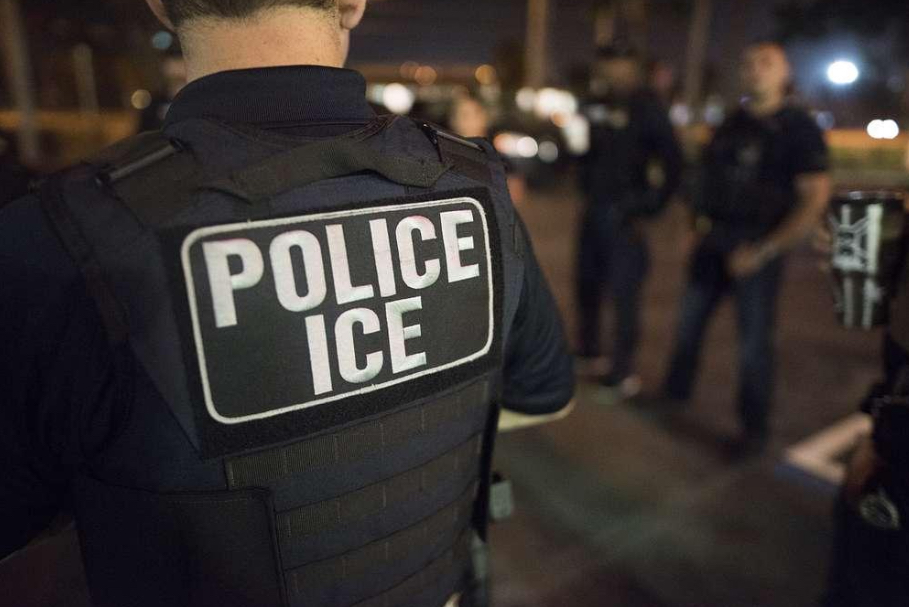
On Jan. 24, Interim President Father John P. Fitzgibbons announced the University’s policies regarding immigration enforcement. Father Fitzgibbons outlined four steps that university employees will take if a representative from Immigration and Customs Enforcement (ICE) asks for access to the campus or for information about a student or employee. The four steps included the university employee informing the agent(s) that “all agency inquiries — including ICE requests for directory information — are processed through the Department of Public Safety (DPS) and the Office of General Counsel (OGC)” and the DPS director obtaining the agent’s information, their supervisors information, and copies of warrants and subpoenas. The director “will not share any student or employee information unless compelled to by a signed court order or a verified claim of imminent danger to public safety” and will personally escort the agent off campus and notify the Office of General Counsel.
Lester Deanes, associate vice president and dean of students, addressed students worried about their immigration status and the status of their families. “As an institution, we share concerns about the current administration’s actions on immigration. Each student’s status, along with their family’s situation, is unique, and we encourage seeking legal advice tailored to their specific circumstances,” Deanes said.
Marcella Pitcher DeProto, director of International Student and Scholar Services (ISSS) offered advice to international students studying on visas. “The ISSS office closely follows immigration updates and works closely with national organizations and advocacy groups to analyze new policies and their impact on international students. ISSS shares these updates directly with international students and their faculty and staff advisors. All of these updates and additional resources can be found on this International Student Support Page,” DePronto said.
“We are currently exploring relevant off-campus resources provided by the City of San Francisco to help our community understand their rights. We have recently been informed that some campus partners are considering organizing programming and distributing various materials to the community in the weeks ahead. This is a crucial time for preparation and adapting as we gain further information about threats. Remaining well-informed and flexible is the best way to address the concerns that arise daily,” Deanes said.
At the time of print, ICE has reportedly detained more than 3,500 people, according to CBS. Fear of federal immigration enforcement has spread quickly, especially in schools and urban school districts. A San Francisco student who reported an encounter with someone who they believed to be an immigration officer on the Muni bus similarly sent the San Francisco school district into chaos this week. AP News reported that a Chicago elementary school mistakenly identified Secret Service agents investigating a threat as immigration officials on Jan. 24, prompting a statement from the school district. Both the U.S. Secret Service and ICE are a part of the Department of Homeland Security, and the school had positively identified the agents as DHS employees.
According to Bill Ong Hing, a USF Law School professor and associate dean, the fear of immigration enforcement officials appearing in schools is as of yet unfounded. “What most people are afraid of is that ICE is just going to walk into Mission High School or USF campus and start asking students of color about their status or their parents status,” said Hing, “And that might happen, but I don’t think that’s going to happen because […] ICE has certain protocols that they follow, and one of the protocols is to not engage in racial profiling.”
Concern over ICE activity in locations such as schools stems from the Trump Administration’s reversal of ICE guidelines that prohibited arrests in “sensitive locations.” Under the previous administration, these locations included churches and schools.
Hing explained that ICE’s current policy is to look for certain individuals who are “deportable,” such as non citizens convicted of a crime or who have failed to attend deportation hearings. ICE is far more likely to have these individuals’ home addresses or employment information than the name of the church or school they attend, said Hing, meaning that ICE actions in places previously identified as sensitive locations are relatively unlikely unless the individual works at a sensitive location like a church or school.
The San Francisco Rapid Response Network provides resources and training to help understand an individual’s rights when interacting with immigration enforcement officials as well as legal support. The Rapid Response Network also operates a hotline which can help identify ICE activity and prevent the spread of false information. The hotline number is (415) 200 1548.
USF spokesperson Kellie Samson reiterated support for students at this time. “The University of San Francisco is fully dedicated to protecting the safety and well-being of our students, faculty, and staff. True to our Jesuit Catholic mission and values, we stand with the most vulnerable members of our community, particularly those who face any form of discrimination. We have protocols in place to assist all members of the USF community in the event of inquiries from officials representing federal, state, and local law enforcement or other government agencies such as, but not limited to, the U.S. Immigration and Customs Enforcement.”
Editor-in-Chief: Jordan Premmer, Chief Copy Editor: Sophia McCrackin, Managing Editor: Jordan DelFiugo, News Editor: Deeya Gupta, Sports Editor: John Lindroos
