

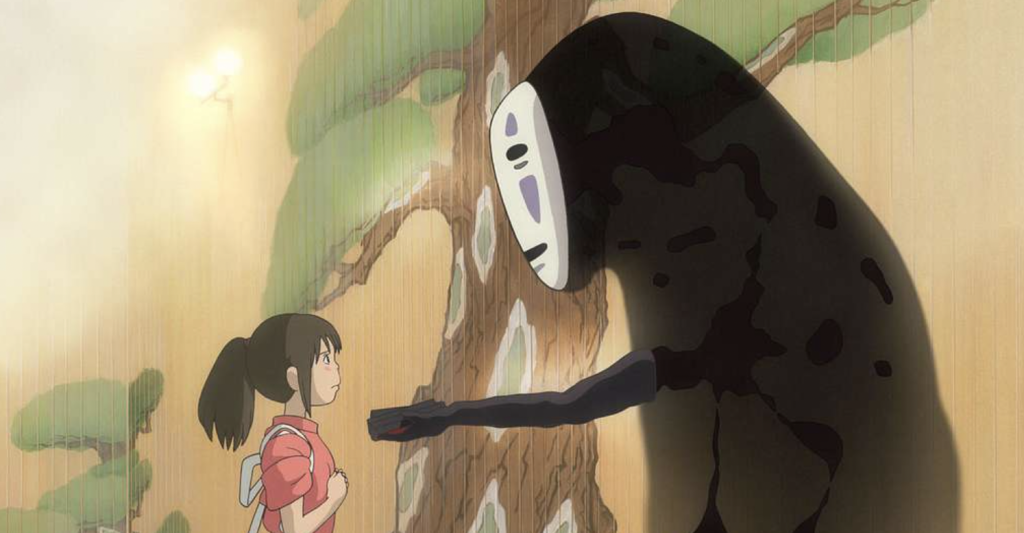
Studio Ghibli created some of the most beloved and tranquil films. The soft, hand-drawn details and spiritual themes make me want to live in the films themselves. From the intricate details of the breakfast in “Howl’s Moving Castle” to the peaceful rustling of wind through the grass in “My Neighbor Totoro,” these movies connect to your soul while telling a story. The recent trend of AI-generated Studio Ghibli content only feels like a betrayal to Hayao Miyazaki, the studio’s legendary co-founder.
Miyazaki has been outspoken about his disdain for artificial intelligence in animation. In a now-infamous clip, Miyazaki watches a grotesque AI-generated movement demo and says, “I strongly feel that this is an insult to life itself.”
After OpenAI launched ChatGPT’s image generation feature, AI-generated versions of photographs in Studio Ghibli’s iconic style became an internet trend. The results may be visually charming at first glance, but they miss the entire point of what makes Ghibli magical.
Ghibli films are rooted in deeply human experiences: grief, wonder, longing and the small, quiet joys of existing. They celebrate slowness and imperfection. They consist of detail that takes time, patience and care. AI can mimic the style, but not the soul.
One internet user created an image from the “OPPENHEIMER” movie in Studio Ghibli style, to which an X user commented, “Making a Japanese style AI image for a film which destroys Japan. Life comes full circle.”
OpenAI made headlines after quietly blocking prompts that referenced Studio Ghibli or Miyazaki. The move was intentional. In a statement to “Business Insider,” the company said, “We continue to prevent generations in the style of individual living artists.” While broader “studio styles” may still be allowed, the decision marked a hard line against mimicking the unique, hard-earned voices of living creators, especially without their consent, and rightfully so.
Using AI to replicate Ghibli is like making a microwave meal, it might rise, but it won’t have the texture, the taste or the love. Worse, it contributes to a cultural erosion of artistry, where originality is replaced with remixing and automation. It commodifies a deeply intentional artform and turns it into an aesthetic wallpaper.
This isn’t just about copyright or legality. It’s about artistic integrity. “Whoever creates this stuff has no idea what pain is whatsoever,” Miyazaki said.
Authentic art is more than aesthetic, it’s identity. Studio Ghibli’s work is inseparable from Miyazaki’s worldview: his reverence for nature, his distaste for consumerism, his belief in the emotional interiority of children. That kind of ethos doesn’t translate into code. It can’t be mimicked by a machine that doesn’t feel, remember, or dream.
We’re living in an age where speed and convenience are prioritized over meaning. Where originality is often sacrificed for virality. And yet artists like Miyazaki remind us what matters most: intention, story and the very human need to create something real. His disgust with AI art isn’t elitism—it’s a defense of soulfulness in a world becoming dangerously artificial.
You can’t teach a machine to understand the childhood ache of growing up, the bittersweet beauty of a rainy afternoon or the way silence can say more than words. Studio Ghibli doesn’t need to be replicated, it needs to be respected. Real art can only come from the hands and hearts of real people.
Editor-in-Chief: Jordan Premmer, Chief Copy Editor: Sophia McCrackin, Managing Editor: Jordan DelFiugo, Opinion Editor: Dakota Duran, Scene Editor: Elina Graham
